Roof Repairs Succasunna NJ That Prepare Your Home for Harsh Weather
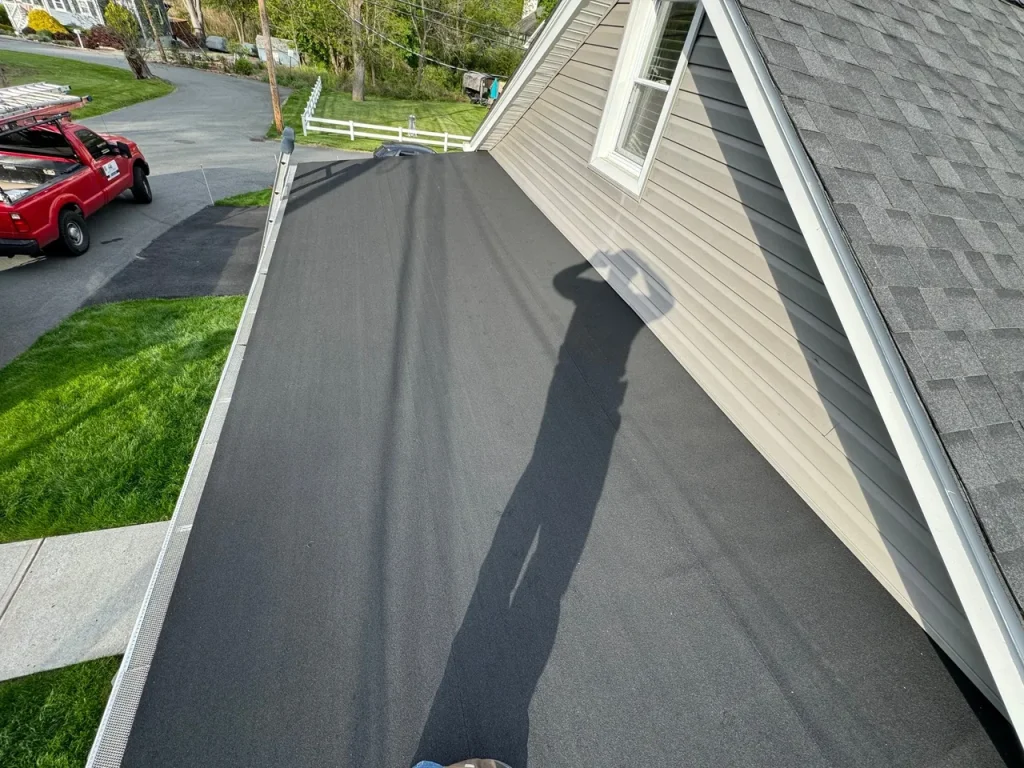

A roof does its best work when nobody notices it. Through a cold January night, a spring downpour, or an August storm cell that rolls over Morris County with little warning, the roof is taking the first hit so the rest of the house does not have to. That quiet protection matters a lot in Succasunna, where weather shifts are not theoretical. Homeowners here deal with freeze-thaw cycles, wind-driven rain, heavy wet snow, ice dams, summer heat, and the kind of gusty storms that can turn one loose shingle into a water problem inside the attic by morning.
That is why roof repairs deserve a more serious look than many people give them. A small issue on a roof rarely stays small for long. A cracked boot around a plumbing vent, a lifted shingle along a ridge, or flashing that has started to pull away near a chimney can seem minor from the ground. After a few weather events, it can become stained drywall, damp insulation, mold growth, or rot in roof decking. At that point, the repair is no longer just about the roof.
When homeowners search for Roof Repairs Succasunna NJ, they are often reacting to a leak or visible damage. That makes sense, but the better approach is to think of repairs as weather preparation. Done at the right time, they strengthen the vulnerable points that storms tend to exploit. The goal is not simply to patch a symptom. It is to restore the roof system so it can handle what the next season brings.
What harsh weather actually does to a roof in Succasunna
Roof damage does not always arrive as a dramatic event. Sometimes it is one loud storm. More often, it is accumulated stress. In this part of New Jersey, winter can be especially hard on aging roofs. Snow itself is not always the main problem. The bigger issue is repeated melting and refreezing. During a mild afternoon, snow on the upper roof warms and starts to melt. That water runs down to colder eaves and freezes again. Over time, an ice dam forms, pushing water back under shingles and into places it was never meant to reach.
Spring and https://lanehsur884.bearsfanteamshop.com/roof-repairs-succasunna-nj-to-stop-interior-ceiling-leaks summer bring a different set of threats. Wind can break the seal on asphalt shingles, especially if they are older or improperly installed. Once a shingle lifts, even slightly, rain can work underneath it. Flashing around chimneys, dormers, skylights, and wall intersections becomes a common point of failure. Add clogged gutters to that mix and now water is moving more slowly off the roof, pooling where it should not.
Heat matters too. Homeowners often focus on visible storm damage, but attic heat and poor ventilation quietly shorten the life of roofing materials. Shingles that bake through repeated hot summers can become brittle, lose granules, and crack more easily in winter. That is one reason a roof can look acceptable from the curb and still be vulnerable when weather turns.
In practice, Roof Repairs in this region are often about correcting wear at the weak points before severe weather exposes them all at once.
The trouble spots contractors look at first
Experienced roofers rarely start by looking only at the obvious stain on the ceiling. Water is deceptive. It travels. A leak showing up in a bedroom may have entered near a valley several feet away, or around flashing near a chimney, then followed framing until it found a place to drip.
Certain areas deserve extra attention on almost every inspection in Succasunna. Valleys are one. They channel a large volume of water during heavy rain, so even slight wear in valley flashing or underlayment can become a problem fast. Penetrations are another. Plumbing vents, exhaust vents, furnace flues, and satellite mounts all interrupt the roof surface and create opportunities for failure if seals age or flashings crack. Chimneys are notorious because mortar joints deteriorate, metal flashing expands and contracts, and water can enter from more than one direction.
Ridges and hips deserve a close look after high winds. So do eaves, where ice dam damage often shows up. Gutters and downspouts are part of the roof drainage system whether people think of them that way or not. If water cannot exit quickly, the roof edge stays wet longer, and that changes how the entire assembly performs in a storm.
There is also the matter of past repairs. A roof that has been patched several times may have layers of quick fixes that do not work well together. Roofing cement spread heavily around flashing, mismatched shingles nailed into old brittle courses, or caulk used where properly integrated flashing was needed can all hide the real issue for a while. Then a stronger storm arrives and the leak returns.
Why timing matters more than many homeowners realize
One of the most expensive mistakes is waiting until weather is already severe. Roofing work becomes more limited when temperatures drop too low, surfaces stay wet, or snow and ice cover the problem area. Emergency tarping can protect the interior temporarily, but it is not the same as a true repair. If a home enters winter with known roof weaknesses, the margin for error shrinks quickly.
Early fall is often a smart time for inspection and repair in New Jersey because it allows contractors to address issues before freeze-thaw damage begins. Late spring is another useful window, especially after winter has revealed weak points. That said, timing is not just seasonal. It is also tied to the age and material of the roof, prior storm history, tree coverage, attic ventilation, and how quickly a small symptom is investigated.
I have seen homes where a homeowner noticed a faint water ring around a ceiling light in March and assumed it was from an old issue. By June, the stain had darkened. By the first summer thunderstorm, water was dripping steadily into a bucket. The actual cause was a failed pipe boot that likely could have been repaired early for a modest cost. Delayed attention allowed moisture to damage surrounding decking and insulation, turning a basic Roof Repairs call into a broader repair project.
Repairing for resilience, not just appearance
A cosmetic patch and a durable repair are not the same thing. A proper repair accounts for how water, wind, ice, and temperature movement affect the whole assembly. That may mean replacing adjacent shingles so flashing can be woven correctly, not just sealed at the surface. It may mean checking the underlayment and roof deck beneath visible damage instead of assuming the issue stops where the leak is seen. It may also mean looking at attic conditions, because ventilation and insulation influence how the roof handles moisture and temperature extremes.
That broader view is especially important when preparing a home for harsh weather. If a contractor replaces a few shingles but ignores the lifted drip edge, the rusting step flashing, or the backed-up gutter above that section, the roof still has vulnerabilities. Good Roof Repairs reduce the chance of repeat failure by dealing with causes, not just effects.
This is where professional judgment matters. Not every damaged area requires a large intervention. Sometimes a targeted repair is absolutely the right call. Other times, a contractor should say plainly that the roof is too far along in age or wear for isolated repairs to offer reliable protection. Homeowners deserve that honesty, even when it is not the cheapest answer in the moment.
Signs your roof may not be ready for the next storm
Roofs rarely send only one signal. More often, several small warnings appear at once. The challenge is that many of them are easy to dismiss until weather gets rough.
Here are some signs worth taking seriously:
- Shingles that are curling, cracking, missing, or shedding a noticeable amount of granules
- Water stains on ceilings, around skylights, or along upper wall corners
- Damp insulation, musty attic air, or visible mold on roof sheathing
- Flashing that is loose, rusted, or heavily coated with old roofing cement
- Gutters that overflow, pull away, or collect shingle granules after storms
Any one of those may justify an inspection. More than one usually means the roof is already under stress.
The local factor, trees, shade, and storm exposure
Succasunna has many homes with mature trees nearby, and that shapes roof wear in ways homeowners sometimes overlook. Trees are valuable. They provide shade, character, and some energy benefits in summer. They also create maintenance issues. Branches that overhang the roof can scrape shingles in wind, drop debris into valleys and gutters, and hold moisture on the roof surface longer after rain. Shade slows drying, which can encourage moss or algae in some conditions. During heavy snow or ice, limbs can fail and damage shingles, flashing, or gutters in one event.
Exposure matters too. A house on a more open lot may take stronger wind than one sheltered by neighboring homes and tree lines. Roof geometry also changes the stress pattern. Gable ends can catch wind differently than hip roofs. Low-slope sections near additions are more prone to drainage issues than steeper main roof planes. That is why a repair strategy should fit the actual house, not just the type of shingle on it.
Materials and repair choices that hold up better
Not all repair materials perform equally, and compatibility matters. Matching shingle type, color, thickness, and exposure is more than a visual concern. Proper overlap and sealing behavior depend on using products that work together. Flashing should be made from appropriate metal and installed in a way that allows water to shed naturally, not depend on sealant alone. Sealants have their place, but they should support a properly detailed repair, not replace one.
For homes that see recurring ice issues, an experienced contractor may recommend improvements beyond the visible repair area. Ice and water protection at vulnerable sections, better attic ventilation, added insulation to reduce heat loss, or gutter corrections can all help. Those upgrades are not always necessary, but when they are, they provide weather resistance that a simple patch cannot.
A homeowner does not need to become a roofing expert to ask good questions. It helps to know whether the repair includes new flashing, whether underlying decking will be checked if moisture is suspected, and whether the contractor sees any ventilation or drainage issues that could shorten the life of the repair.
When a repair is enough, and when it is not
This is one of the hardest judgment calls because nobody wants to replace more than necessary. At the same time, pouring money into a roof that is near the end of its serviceable life can be wasteful. The answer depends on condition, not just age. Two roofs installed the same year can be in very different shape based on ventilation, prior workmanship, sun exposure, tree cover, and storm history.
A localized repair often makes sense when the roof is otherwise sound and the problem is confined, such as damage from a branch strike, a failed vent boot, or flashing deterioration around one chimney. Repairs may also make sense if a homeowner is planning a full replacement in the near future but needs reliable short-term protection.
Repairs become less practical when brittle shingles break during service, when granule loss is widespread, when multiple leak points are developing, or when decking and structural components show repeated moisture damage. In those cases, repair after repair can create a false economy. It looks cheaper month to month, but the homeowner ends up paying for recurring visits, interior fixes, and emergency work at inconvenient times.
A good contractor should be able to explain that distinction clearly, with photos and a straightforward assessment. Pressure is a red flag. So is a promise that a very old roof can be made storm-proof with a couple of patches.
What homeowners can do before calling for emergency service
After a major storm, safety comes first. Stay off the roof. Even a low-slope surface can be dangerous when wet, and storm damage often leaves materials unstable. If water is entering the house, the immediate job is limiting interior damage while arranging professional help.
These practical steps can buy time safely:
- Move furniture, electronics, and rugs away from the affected area
- Place buckets or containers under active drips, and protect floors with towels or plastic
- If a ceiling is bulging with trapped water, contact a professional promptly because collapse can happen
- Photograph visible damage inside and outside from the ground for insurance records
- Call a qualified roofer quickly, especially if more rain is in the forecast
That short response window matters. Secondary damage from wet drywall, insulation, trim, and flooring often grows faster than homeowners expect.
Choosing a roofer for Roof Repairs Succasunna NJ
A durable repair begins with a careful inspection and an honest diagnosis. Homeowners searching for Roof Repairs Succasunna NJ should look for a contractor who understands local weather patterns and common failure points on homes in the area. That local familiarity can make a real difference. Someone who regularly works in Morris County will know how ice dams show up on certain roof lines, how storm tracks affect exposed neighborhoods, and which older home details tend to leak first.
Communication is another major factor. A solid roofing professional should explain what failed, why it failed, what repair is proposed, and what the limits of that repair are. Photos are helpful. So is a written scope that identifies materials and affected areas. Vague language creates confusion later, especially if there is an insurance claim or additional hidden damage discovered once shingles are removed.
Price matters, of course, but it should not be the only filter. The lowest estimate may leave out flashing replacement, underlayment work, or deck repairs that are essential to a lasting result. On the other hand, the highest estimate is not automatically the most complete or competent. The goal is clarity and workmanship, not just a number.
Insurance, maintenance, and realistic expectations
Not every roof repair is an insurance claim, and it is important to separate storm damage from wear and tear. If a storm clearly caused sudden damage, such as missing shingles from wind or impact from a fallen limb, a homeowner may have a basis for a claim depending on the policy. Gradual deterioration, deferred maintenance, and age-related wear are usually a different story. That is one reason documentation matters. Photos after storms, records of maintenance, and prompt reporting help establish what happened and when.
Routine upkeep also affects how well repairs perform. A repaired section can still struggle if gutters remain clogged, attic ventilation is poor, or branches continue scraping the same roof plane. Maintenance is not glamorous, but it protects the money already spent on repairs.
Reasonable expectations matter too. A repair can restore weather resistance and extend roof life, but it cannot make an aging roof brand new. Color matching may be close rather than exact. A repaired section on an older roof may stand out slightly at first. What matters most is that the repair is watertight, properly integrated, and built to handle the next stretch of bad weather.
A roof that is ready before the forecast turns ugly
The strongest roofs are not always the newest. Often, they are the ones that have been inspected carefully, repaired thoughtfully, and maintained with some consistency. Harsh weather exposes weak spots, but it also rewards preparation. When flashing is secure, shingles are sealed, drainage is clear, and attic conditions are under control, the house stands a much better chance of coming through storms with no surprises.
That is the real value of professional Roof Repairs. They protect more than shingles. They protect insulation, framing, ceilings, floors, paint, and the ordinary peace of mind that comes from hearing rain on the roof and not wondering whether it is making its way inside. For homeowners in Succasunna, that kind of preparation is not excessive. It is practical. When the next round of wind, snow, ice, or driving rain arrives, a repaired roof should do what every good roof is meant to do, take the weather outside and keep your home calm and dry within.
Royalty Exteriors
Address: 151 NJ-10 Ste 103A, Succasunna, NJ 07876
Phone number: +19733337234
FAQ About Roof Repairs Succasunna NJ
How much should I pay for roof repairs?
Most homeowners pay an average of $900 to $1,200 for roof repairs, with typical projects ranging from $150 to $3,000+ depending on the severity of the damage.
What are the most common roof repairs?
The most common roof repair is fixing water leaks by replacing damaged, cracked, or missing asphalt shingles and sealing compromised flashing.
Does homeowners insurance pay for roof repairs?
Homeowners insurance pays for roof repairs only if the damage is sudden and accidental, such as from a storm, hail, or a falling tree.